Introduction: Creating a Well-Balanced and Efficient Home System
A modern home is a complex system made up of interconnected components that must work together to provide comfort, safety, and efficiency. From structural elements like the roof and windows to mechanical systems such as cooling, plumbing, and electrical, every part plays a role in the overall performance of the home. When one system begins to fail or operate inefficiently, it often creates a ripple effect that impacts other areas.
Many homeowners approach improvements reactively, addressing problems only when they become urgent. While this may seem practical in the short term, it often leads to higher costs, more disruptions, and missed opportunities for efficiency upgrades. A more strategic approach involves evaluating the home as a whole, identifying weaknesses, and implementing solutions that improve performance across multiple systems.
This comprehensive guide is designed to help homeowners understand how to maintain, repair, and upgrade critical components of their homes. By focusing on both preventative care and smart improvements, it becomes possible to extend the lifespan of key systems, reduce energy consumption, and enhance overall comfort.
Whether tackling small repairs or planning major upgrades, understanding how different systems interact allows for better decision-making and more effective long-term results. Homeowners who invest time in learning about these systems are better equipped to recognize early warning signs, communicate effectively with professionals, and make cost-efficient choices. This knowledge ultimately leads to fewer emergencies, smoother project execution, and a more resilient home that can adapt to changing needs over time, improving sustainability and long-term livability.
Evaluate Your Home Before Starting Any Major Improvements

Before beginning any home improvement project, a thorough evaluation is essential. Understanding the current condition of your home helps you prioritize repairs, allocate your budget effectively, and avoid unexpected complications during upgrades.
Start by performing a visual inspection of key areas:
- Check ceilings and walls for water stains or cracks
- Inspect floors for uneven surfaces or signs of wear
- Examine exterior surfaces for damage or deterioration
- Look for signs of moisture intrusion around windows and doors
Beyond visual checks, consider how your home functions on a daily basis. Are there rooms that feel consistently uncomfortable? Do you notice fluctuations in energy bills? Are there recurring maintenance issues? These indicators often point to underlying problems that need attention.
Creating a structured evaluation plan can help:
- Document all visible issues and categorize them by urgency
- Identify systems that may require professional assessment
- Estimate potential costs for repairs or upgrades
- Develop a phased improvement timeline
Professional inspections can provide deeper insights, especially for hidden systems like wiring, plumbing, and insulation. Even if major upgrades are not immediately planned, understanding the condition of these systems allows homeowners to make informed decisions when the time comes.
Taking the time to evaluate your home thoroughly ensures that future improvements are both effective and efficient.
Protect Your Home from the Top Down with Strong Roofing Solutions
The roof serves as the primary barrier between your home and the elements. A reliable roofing service ensures that this critical structure remains intact, preventing water intrusion, insulation loss, and structural damage.
Roof issues often begin subtly. Small cracks, loose shingles, or minor leaks can go unnoticed until they develop into more significant problems. Common warning signs include:
- Missing or damaged shingles
- Dark streaks or moss growth
- Water stains on ceilings or attic surfaces
- Increased energy bills due to insulation loss
Preventative care is essential to maintaining roof performance. Homeowners should schedule regular inspections, especially after severe weather events, to catch problems early.
Key maintenance practices include:
- Cleaning gutters to prevent water buildup
- Removing debris that can trap moisture
- Checking flashing around vents and chimneys
- Addressing minor damage before it spreads
When repairs are necessary, working with experienced professionals ensures that solutions are both durable and compliant with local building standards. Choosing high-quality materials also plays a significant role in long-term performance.
A well-maintained roof not only protects the home but also contributes to energy efficiency and overall property value.
Improve Energy Efficiency and Comfort with Proper Window Upgrades
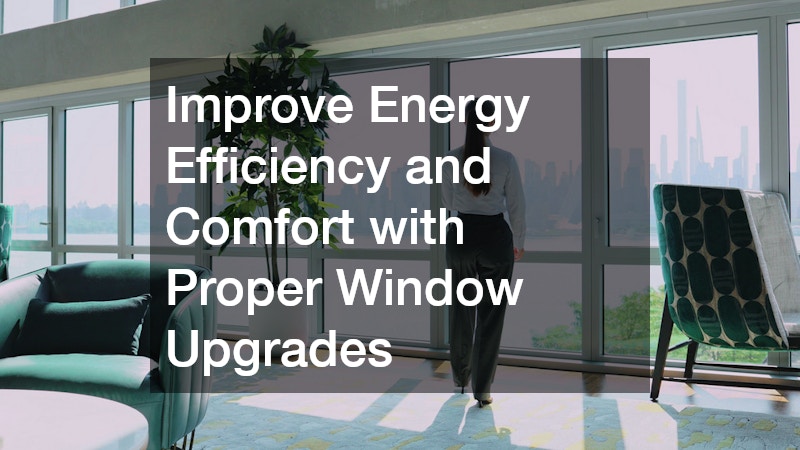
Windows are a major factor in regulating indoor temperature and energy efficiency. Proper window installation ensures that your home remains well-insulated while allowing natural light to enhance living spaces.
Older or poorly installed windows can lead to:
- Drafts and air leaks
- Increased heating and cooling costs
- Condensation between panes
- Reduced sound insulation
Upgrading windows provides multiple benefits:
- Improved energy efficiency
- Better indoor comfort
- Enhanced aesthetic appeal
- Increased property value
When selecting new windows, consider:
- Double or triple-pane glass for insulation
- Low-emissivity coatings to reduce heat transfer
- Durable frame materials such as vinyl or fiberglass
- Proper sealing techniques during installation
Maintenance is equally important. Regularly cleaning frames, checking seals, and ensuring smooth operation helps extend window lifespan and maintain efficiency.
Well-installed windows create a more comfortable living environment while reducing energy consumption over time.
Maintain Reliable Indoor Comfort Through Climate System Care
Cooling systems are essential for maintaining indoor comfort, particularly during warmer months. AC repair becomes necessary when systems lose efficiency or fail to maintain consistent temperatures. Partnering with reputable HVAC companies ensures that systems are properly maintained and serviced.
Common signs of cooling system issues include:
- Weak or uneven airflow
- Unusual noises during operation
- Frequent cycling on and off
- Rising energy bills without increased usage
Routine maintenance is key to preventing major breakdowns. Homeowners should:
- Replace air filters regularly
- Schedule seasonal system inspections
- Keep outdoor units free of debris
- Monitor system performance during peak usage
Professional technicians can identify and address issues such as refrigerant leaks, compressor problems, and electrical malfunctions before they escalate.
Upgrading older systems may also be beneficial. Modern units offer improved efficiency, smart controls, and better temperature regulation.
By maintaining climate systems properly, homeowners can ensure consistent comfort while reducing energy costs and extending equipment lifespan.
Ensure Consistent Hot Water and Plumbing System Performance
Plumbing systems are vital to everyday living, providing access to clean water and efficient waste removal. Water heaters play a central role in delivering hot water for essential tasks, while a skilled plumber ensures that the entire system operates smoothly.
Common plumbing issues include:
- Leaks in pipes or fixtures
- Low water pressure
- Slow or clogged drains
- Unusual noises within the system
Water heater problems often involve:
- Inconsistent water temperatures
- Sediment buildup in the tank
- Reduced hot water supply
- Leaks around the unit
Preventative maintenance helps avoid these issues:
- Flush water heaters annually to remove sediment
- Inspect pipes and connections for leaks
- Test pressure relief valves
- Avoid using harsh chemicals in drains
When problems arise, prompt professional intervention is crucial. Delaying repairs can lead to water damage, higher utility bills, and reduced system efficiency.
Maintaining plumbing systems ensures reliable performance and supports overall household functionality.
Improve Water Quality and Drainage System Efficiency
Water quality and drainage efficiency are often overlooked aspects of home maintenance. Water sanitizing helps ensure that the water used throughout the home is safe and free from contaminants, while drain cleaning services keep plumbing systems functioning properly.
Signs of water quality issues include:
- Unpleasant odors or taste
- Discoloration
- Mineral buildup on fixtures
- Skin irritation after use
Improving water quality may involve:
- Installing filtration systems
- Using water softeners
- Regularly testing water composition
- Maintaining plumbing components
Drainage problems can lead to slow water flow and backups. Common causes include grease buildup, debris accumulation, and tree root intrusion.
Preventative measures include:
- Avoiding disposal of grease and large debris in drains
- Using strainers to catch particles
- Scheduling periodic professional cleanings
- Addressing minor clogs early
Proper attention to water quality and drainage ensures a healthier home environment and reduces the risk of plumbing issues.
Enhance Outdoor Living Spaces with Strategic Planning
Outdoor living spaces have become an important extension of the home. Working with a pool contractor allows homeowners to design functional and visually appealing outdoor environments that enhance both relaxation and entertainment.
Planning a pool or outdoor space requires careful consideration:
- Available space and layout
- Material durability and weather resistance
- Integration with landscaping
- Safety features and accessibility
Popular additions include:
- Seating and lounging areas
- Lighting for nighttime use
- Water features or heating systems
- Outdoor kitchens or dining spaces
Maintenance is also a critical factor. Regular cleaning, proper chemical balance, and equipment upkeep ensure long-term usability and safety.
Well-designed outdoor spaces increase property value and provide additional areas for enjoyment.
Maintain Safe and Reliable Power Systems Throughout the Home
Electrical systems are essential for powering appliances, lighting, and technology. Electrical repair is necessary when systems show signs of wear or malfunction, as these issues can pose serious safety risks.
Common warning signs include:
- Flickering or dimming lights
- Frequent breaker trips
- Burning smells near outlets
- Outdated wiring systems
Safety practices include:
- Avoiding overloaded circuits
- Replacing damaged outlets or switches
- Scheduling regular inspections
- Upgrading outdated panels
Professional electricians can ensure that repairs are performed safely and in compliance with regulations.
Maintaining electrical systems reduces fire risk and ensures reliable performance throughout the home.
Coordinate Multiple Home Improvement Projects Efficiently
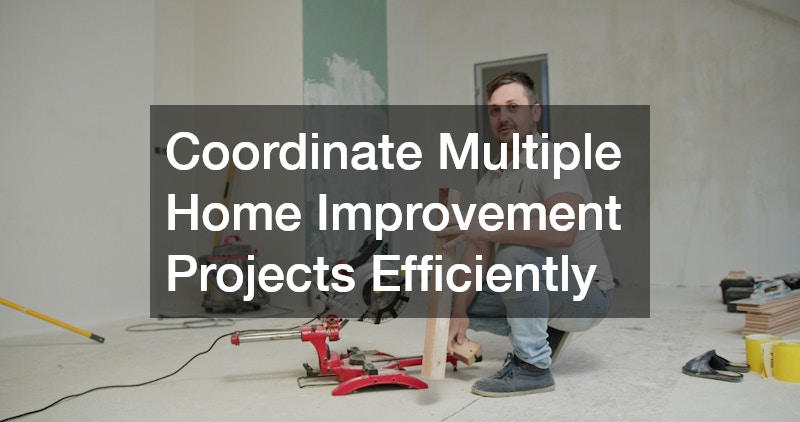
Managing multiple home improvement projects requires careful planning and organization. Without proper coordination, projects can overlap, causing delays and increased costs.
Effective coordination strategies include:
- Prioritizing structural repairs before cosmetic upgrades
- Scheduling projects based on seasonal conditions
- Communicating clearly with all contractors
- Tracking progress with a detailed timeline
Sequencing is particularly important. For example, roofing and exterior work should be completed before interior upgrades to prevent damage.
By coordinating projects effectively, homeowners can reduce disruptions and achieve better overall results.
Budgeting and Financial Planning for Whole-Home Upgrades
Financial planning is a critical part of any home improvement strategy. Without a clear budget, costs can quickly become unmanageable.
Key budgeting tips:
- Obtain multiple quotes for each project
- Prioritize essential repairs
- Set aside contingency funds
- Plan upgrades in phases
Understanding long-term value is also important. Investing in durable materials and efficient systems may have higher upfront costs but can lead to significant savings over time.
A well-planned budget ensures that improvements are both practical and sustainable.
Increase Property Value Through Strategic Improvements
Strategic upgrades can significantly enhance property value. Focusing on both functionality and aesthetics ensures a strong return on investment.
High-impact improvements include:
- Upgrading roofing and windows
- Enhancing outdoor spaces
- Improving energy efficiency
- Updating key systems
Aligning improvements with market trends also helps maximize appeal to potential buyers.
Thoughtful upgrades create a more attractive and valuable property.
Prevent Costly Repairs Through Routine Maintenance
Routine maintenance is one of the most effective ways to prevent expensive repairs. By addressing issues early, homeowners can avoid major disruptions and costs.
Maintenance checklist:
- Inspect exterior surfaces regularly
- Clean gutters and drainage systems
- Monitor system performance
- Schedule professional inspections
Consistency is key. Regular maintenance ensures that all systems continue to operate efficiently and reliably.
Conclusion: Building a Durable, Efficient, and Comfortable Home
Maintaining and improving a home requires a comprehensive approach that considers every system and how they work together. From structural elements to mechanical and utility systems, each component plays a role in ensuring safety, comfort, and efficiency.
By taking a proactive approach, homeowners can identify potential issues early and address them before they escalate into costly problems. This not only protects the home but also provides greater control over budgeting and long-term planning. Strategic upgrades further enhance performance, allowing homeowners to benefit from improved energy efficiency, functionality, and overall comfort.
Planning and coordination are essential for successful home improvement projects. When upgrades are approached thoughtfully and executed in the right sequence, the results are more cohesive and longer-lasting. Homeowners who invest in quality materials and professional expertise often experience fewer issues over time and enjoy greater peace of mind.
Ultimately, a well-maintained home is more than just a place to live—it is a long-term investment. By prioritizing care, making informed decisions, and staying consistent with maintenance, homeowners can create a space that remains durable, efficient, and comfortable for years to come. In addition, consistent attention to home systems helps preserve property value and ensures that the home remains appealing in any market. Over time, these efforts contribute to a stronger, more reliable living environment that supports both everyday life and future goals.
About the Author